In the trucking world, every second counts. Downtime isn’t just an inconvenience—it’s lost revenue, missed deadlines, and frustrated customers. That’s why Decker 24 HR Truck & Trailer leverages X (formerly Twitter) to do more than just “post”—they use it as a real-time communication tool that keeps truck drivers informed, prepared, and safe . 📱 Real-Time Updates Where Drivers Already Are Drivers are constantly on the move, and their phones are their lifelines. By posting updates to X , Decker 24 HR meets drivers where they are—with bite-sized information that’s quick to read and easy to act on . Examples include: 🚧 Road closures & traffic alerts near I-90, Belvidere, Rockford, and surrounding areas. 🌩️ Weather warnings that could impact driving or repair schedules. 🛻 Mobile repair availability and locations during peak hours. 🅿️ Parking space availability in their secure 7-acre lot. 🔧 Preventative maintenance tips to help drivers avoid common roadside issues. This kind of information empowers drivers to make smarter, faster decisions—reducing stress and preventing costly breakdowns. 🗣️ Community Engagement = Driver Advocacy Decker 24 HR doesn’t just broadcast—they listen . By maintaining a consistent and active presence on X, they’re: Responding to DMs or mentions for emergency roadside assistance Answering questions about service hours, repair capacity, and pricing Reposting safety tips, FMCSA guidance, and driver shout-outs Supporting and sharing updates from fleet partners and logistics companies That kind of digital handshake builds loyalty. Whether you’re a solo operator or managing a 100-truck fleet, you know Decker 24 HR is tuned in. 🔒 Trust Built Through Transparency X gives Decker 24 HR the chance to show, not just tell —through: Behind-the-scenes photos of ongoing repairs or facility improvements Customer testimonials from real drivers who were rescued on the road Announcements about new services , certifications, or partnerships Recognition of their team’s hard work and 24/7 commitment This builds confidence with drivers before they even pull into the lot or call dispatch. When you see a shop that’s open about what they do , you’re more likely to trust them with your rig. 🚚 A Lifeline for Fleets and OTR Drivers Alike Whether you’re running routes for JB Hunt, FedEx, Dayton Freight, or you're an independent hauler—Decker 24 HR’s updates on X can help: Dispatchers quickly find the nearest help Drivers plan their stops with secure parking in mind Fleet managers stay in the loop with status updates or repair trends Everyone stay connected , even in high-pressure situations 📣 In Their Own Words Here’s a sample of what you might see on Decker 24 HR’s feed: ❗️ Road Alert : Accident near I-90 E / Genoa Rd exit. Expect delays. Our mobile repair team is active in the area—call us at (847) 481-9851 for help. #Truckers #RoadsideAssistance 🛠️ Weekend Tip : Brake checks aren’t just for inspections—catching wear early can save you a roadside call. #FleetMaintenance #TruckerLife 🅿️ NOW OPEN : 150+ truck/trailer spaces at our Belvidere lot. Video-monitored. 24 HR access. Park it, lock it, rest easy. #SecureParking #OTRDrivers 🔧 Final Thoughts For today’s truck driver, X is more than social media—it’s a lifeline . And Decker 24 HR is using it the right way: to offer support, communicate clearly, and be a steady partner to the people who keep our highways moving. From mobile repair alerts to parking availability and safety tips, Decker 24 HR’s presence on X makes life on the road a little easier, a lot safer, and always supported. Follow @Decker24HR on X for updates that matter—whether you’re in the shop, on the lot, or hauling cross-country.
Introduction Modern commercial trucks and trailers are equipped with Anti-lock Braking Systems (ABS) to enhance safety during emergency braking and slippery road conditions. These systems help prevent wheel lock-up and maintain steering control, which can be life-saving during evasive maneuvers. But when an ABS warning light comes on, it can be confusing or even alarming for drivers. What does the light mean? Is the vehicle safe to drive? And how should it be addressed? At Decker 24 HR Truck & Trailer, we specialize in diagnosing and repairing ABS issues quickly and accurately. This blog will help you understand what ABS lights indicate, why they come on, and how to resolve them to stay safe and DOT-compliant.
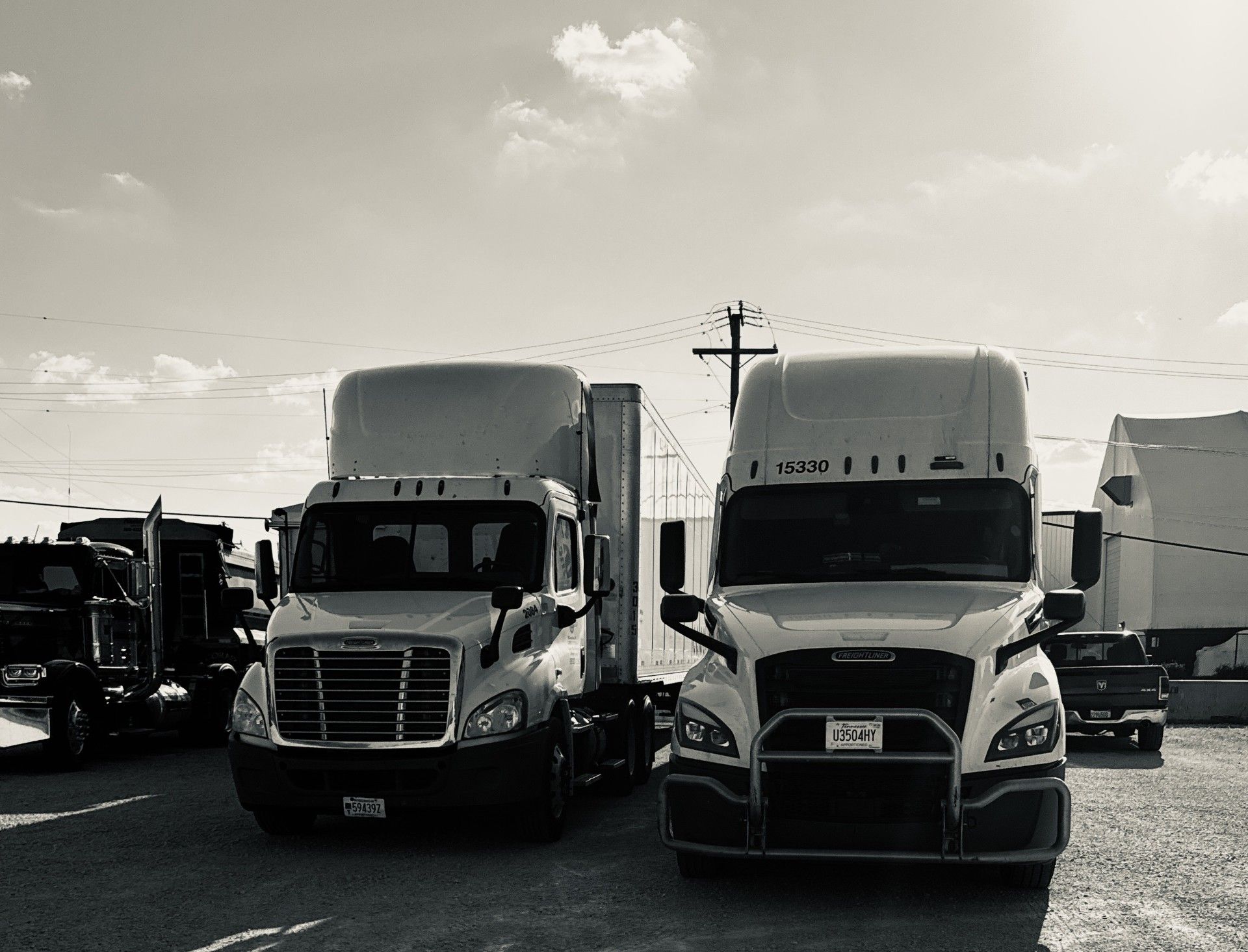
In today’s fast-paced trucking environment, fleets expect nothing less than swift, proactive maintenance—minimizing downtime, optimizing performance, and ensuring safety. At Decker 24 HR Truck & Trailer, cutting-edge technology like remote diagnostics and telematics shapes everything we do. We utilize industry-leading diagnostic platforms to offer our customers the best fleet maintenance service. 1. From Reactive to Proactive: Diagnosing Issues Before They Happen Traditionally, diagnostics happened only after a failure—but telematics and remote fault-code alerts have changed the game. By integrating onboard telematics systems, Decker 24 HR can receive real-time diagnostic trouble codes (DTCs) transmitted while a truck is still in operation. This allows our team to interpret fault severity, guide drivers, and even dispatch repair crews before downtime becomes disruptive. 2. Boosting Uptime with Pre-Diagnosed Service When a diagnostic alert is triggered, Decker personnel already know the problem before the truck arrives, and can prep parts and tools ahead of time. This mirrors the connected-vehicle models pioneered by OEMs, reducing turnaround time by 20–22% and allowing technicians to hit the ground running. 3. Smart Tools & Shop Integration In-shop, our technicians use state-of-the-art electronic diagnostic platforms that deliver detailed sensor data, fault history, and repair recommendations. By standardizing on consistent diagnostic software across intake and repair bays, Decker ensures seamless communication—minimizing returns and repeat service calls. Decker 24 HR uses diagnostic tools such as Detroit Connect , Mack’s and Volvo's Dynafleet , and Caterpillar’s Service Information System (SIS). These platforms provide real-time data on engine performance, fuel efficiency, exhaust treatment systems, and more, ensuring every component is operating at its best. 4. Data-Driven Predictive Maintenance Decker aggregates telematics and diagnostic data into fleet-management software, enabling the shift from scheduled to condition-based maintenance. This predictive approach helps pinpoint wear and tear before it becomes a problem—reducing maintenance costs, extending asset life, and maximizing uptime. The system uses advanced machine learning algorithms to analyze data from multiple sensors, and through predictive modeling, we can forecast potential failures before they happen. This allows us to recommend a timely repair or part replacement—keeping your fleet ahead of the curve. 5. Embracing Over-the-Air Updates Though still emerging in the heavy-truck sector, over-the-air (OTA) software updates are reshaping possibilities. Major OEMs are already delivering engine and aftertreatment reprograms remotely—cutting shop visits and keeping trucks running at optimal specs. Decker is actively evaluating OTA workflows to speed service and reduce labor needs, ultimately offering fleets even more convenience and efficiency. 6. Enhancing Transparency & Reporting Beyond diagnostics, Decker offers clients digital reporting tools: post-service summaries, system logs, and visual dashboards. This translates complex data into clear maintenance records—helping fleet managers track repairs, trends, and compliance documentation. Fleet managers can access live data via a custom portal that integrates with the diagnostic systems, providing full transparency on every service visit.




